
Bunions (Hallux Valgus): Treatment, Symptoms and Causes Sydney
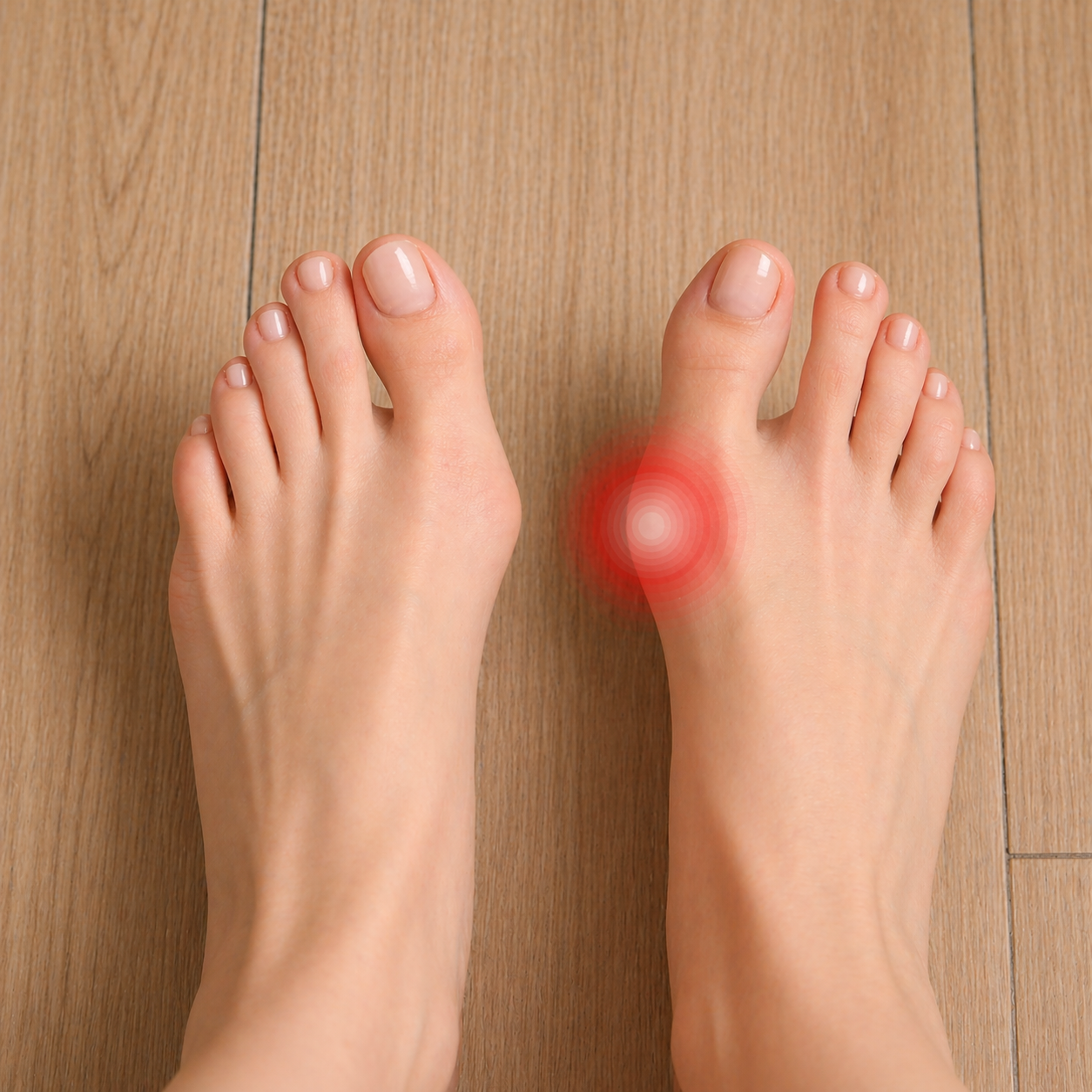
Bunions (Hallux Valgus) is a progressive joint change of the big toe. This condition leads to pain, swelling around the big toe joint, and reduced mobility, all of which can significantly impact one's quality of life.
Bunions (Hallux Valgus): Treatment, Symptoms and Causes Sydney
Bunions (Hallux Valgus) is a progressive joint change of the big toe. This condition leads to pain, swelling around the big toe joint, and reduced mobility, all of which can significantly impact one's quality of life.
Symptoms
Common symptoms associated with bunions may include:
- A visible bony prominence at the big toe
- Pain or discomfort around the big toe joint
- Redness or swelling in the affected area
- Stiffness or reduced range of motion in the big toe
- Difficulty wearing certain footwear due to pressure over the joint
Causes
Bunions arise from a structural joint change, causing the big toe to deviate towards the second toe. The onset of this condition appears to be multifactorial with intrinsic and extrinsic factors playing a role in its development:
- Excessive rolling in of the foot (pronation)
- Tight calf muscles, resulting in limited ankle joint movement.
- Ligament laxity
- Genetic predisposition
- Improper footwear, such as narrow-toed or high-heeled shoes
Diagnosis
Obtaining a diagnosis involves a thorough assessment by your podiatrist, based on both your reported symptoms and clinical tests. These assessments may encompass toughing (palpation) of the affected area, evaluating joint range of motion, and analysing your walking or running pattern (gait).
At our Sydney based podiatry clinic, Sports Podiatry Manly, we utilise a state-of-the-art pressure plate treadmill (Zebris) for a comprehensive analysis of plantar pressures within your feet in order to diagnose bunions. Additionally, radiographic imaging may be recommended by your podiatrist to gauge the severity of the bunion, though it's not always necessary.
Treatment
Bunions are a lasting condition, the approach to management and treatment durations varies based on individual circumstances. Conservative care involves ongoing monitoring and providing relief from symptoms, while post-operative recovery typically extends over a period of 8 to 12 weeks.
Conservative methods of treating bunions may involve:
- adjusting footwear
- employing custom orthotics when necessary
- engaging in specific foot/calf strengthening exercises, and using padding like bunion shields and toe spacers.
- Routine podiatric care is crucial for preserving skin health, reducing calluses, and minimising the risk of nail irregularities.
In cases where conservative measures prove insufficient, oral/injectable medication or surgical intervention may be considered. Your podiatrist will provide guidance through post-operative care, which could encompass a blend of general podiatry, specialised foot exercises, adaptations in footwear, and the use of custom orthotics.
Remember, early intervention and personalised care can make a significant difference in managing bunions and improving your overall comfort and mobility.
At Sports Podiatry Manly, we combine advanced technology and tailored treatment plans. Whether you’re seeking conservative management or surgical advice for bunions, our experienced podiatrists are here to help. If you are in Sydney, book an appointment for a consultation with one of our expert podiatrists.

Manly NSW 2095, Australia
*ENTRY via Whistler St*