
Children’s Warts: Treatment, Symptoms and Causes Sydney
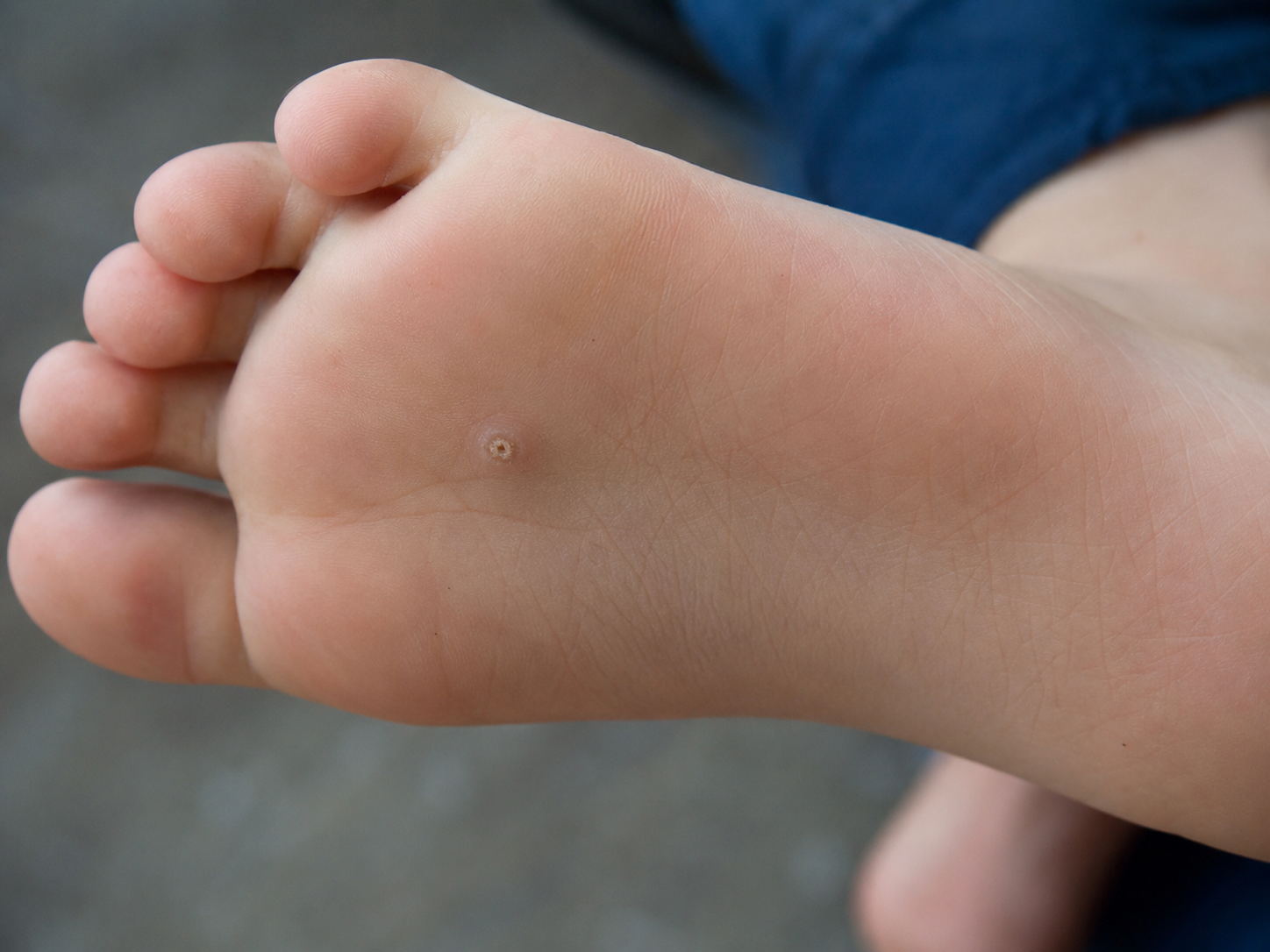
Children’s warts are common, generally harmless skin growths caused by the human papillomavirus (HPV). They are particularly common in school-aged children and most often appear on the hands, fingers, feet and face. Warts can spread through direct skin-to-skin contact or from one area of the body to another, particularly when they are scratched or picked.
Although warts are generally harmless, they can sometimes become painful, particularly when they occur on the feet or in areas exposed to pressure. Some children may also feel embarrassed or self-conscious about visible warts.
It may be worth having warts checked by a podiatrist, particularly when they are painful, changing in appearance, spreading, or affecting your child’s ability to walk or participate in activities. A professional assessment can help confirm that the lesion is a wart and discuss appropriate treatment options.
Children’s Warts: Treatment, Symptoms and Causes Sydney
Children’s warts are common, generally harmless skin growths caused by the human papillomavirus (HPV). They are particularly common in school-aged children and most often appear on the hands, fingers, feet and face. Warts can spread through direct skin-to-skin contact or from one area of the body to another, particularly when they are scratched or picked.
Although warts are generally harmless, they can sometimes become painful, particularly when they occur on the feet or in areas exposed to pressure. Some children may also feel embarrassed or self-conscious about visible warts.
It may be worth having warts checked by a podiatrist, particularly when they are painful, changing in appearance, spreading, or affecting your child’s ability to walk or participate in activities. A professional assessment can help confirm that the lesion is a wart and discuss appropriate treatment options.
Symptoms
The appearance of children’s warts can vary, but common signs include:
- A small, rough or raised area of skin
- A firm, grainy or uneven surface
- Warts appearing on the top and bottom of feet and on the toes
- Small black dots that may be visible within the wart
- Pain or tenderness when the wart is located on a weight-bearing area of the foot
- Multiple warts appearing in the same area or spreading to other parts of the body
Warts can develop slowly and may take months to become noticeable after the initial HPV infection.
If you notice a new or unusual growth on your child’s foot, having it assessed can help ensure that it is correctly identified and appropriately managed.
Causes
Children’s warts are caused by infection with human papillomavirus (HPV). The virus enters the skin, often through small breaks or areas of damaged skin, and causes the outer layers of the skin to thicken and form a wart.
Warts can spread through:
- Direct skin-to-skin contact
- Scratching or picking an existing wart
- Touching another area of the body after handling a wart
- Contact with contaminated surfaces, including in communal areas such as swimming pools and public showers.
- Sharing items such as towels or tools used to file a wart
Encouraging children not to pick or scratch their warts and wearing footwear in communal wet areas can help reduce the chance of spreading the virus.
Diagnosis
A diagnosis of a wart is usually made through a clinical examination.
This may include:
- Looking closely at the appearance and texture of the lesion
- Palpating the area to assess tenderness
- Checking for similar lesions elsewhere on the hands, feet or body
- Examining the surface of the wart for characteristic small black dots
In most cases, additional imaging or testing is not required. However, if the appearance is unusual or there is uncertainty about the diagnosis, further assessment may be recommended.
Having a wart assessed is particularly important if it is painful, bleeding, changing in appearance, rapidly increasing in size, spreading, or not responding to treatment. This allows other types of skin lesions to be considered and helps guide appropriate treatment.
Treatment
At Sports Podiatry Manly, one treatment option we may recommend for suitable children’s warts is salicylic acid.
Salicylic acid is a topical treatment that works by gradually breaking down and removing the thickened layers of skin that make up the wart. It is available in a range of wart paints, gels and other preparations.
Treatment generally involves:
- Soaking the wart in warm water to soften the skin
- Gently removing loose or thickened skin from the surface, where appropriate
- Applying the salicylic acid preparation directly to the wart
- Taking care to avoid the surrounding healthy skin
- Covering the wart with a suitable waterproof dressing if recommended
- Repeating treatment according to the product instructions
Salicylic acid treatment requires patience and consistency, as it can take several weeks or longer for the wart to respond to treatment.
It is important that salicylic acid is used appropriately, particularly in children. The correct product and treatment method will depend on the child’s age, the location of the wart and the appearance of the lesion. If you are unsure whether a skin lesion is a wart or how it should be treated, it is recommended that you have it assessed before starting treatment.
With consistent treatment, children’s warts can gradually reduce in size and may eventually disappear. However, treatment results can vary, and warts can sometimes return or develop in other areas.
If your child has a wart that is painful, bleeding, becoming infected, spreading rapidly, changing in appearance, or interfering with walking or daily activities, it is important to have it checked by a qualified healthcare professional.
At Sports Podiatry Manly, we can assess your child’s foot and determine whether the lesion is consistent with a wart and whether salicylic acid treatment is appropriate.

Manly NSW 2095, Australia
*ENTRY via Whistler St*