
Lesser Toe Changes: Treatment, Symptoms and Causes - Sydney
What Are Lesser Toe Changes?
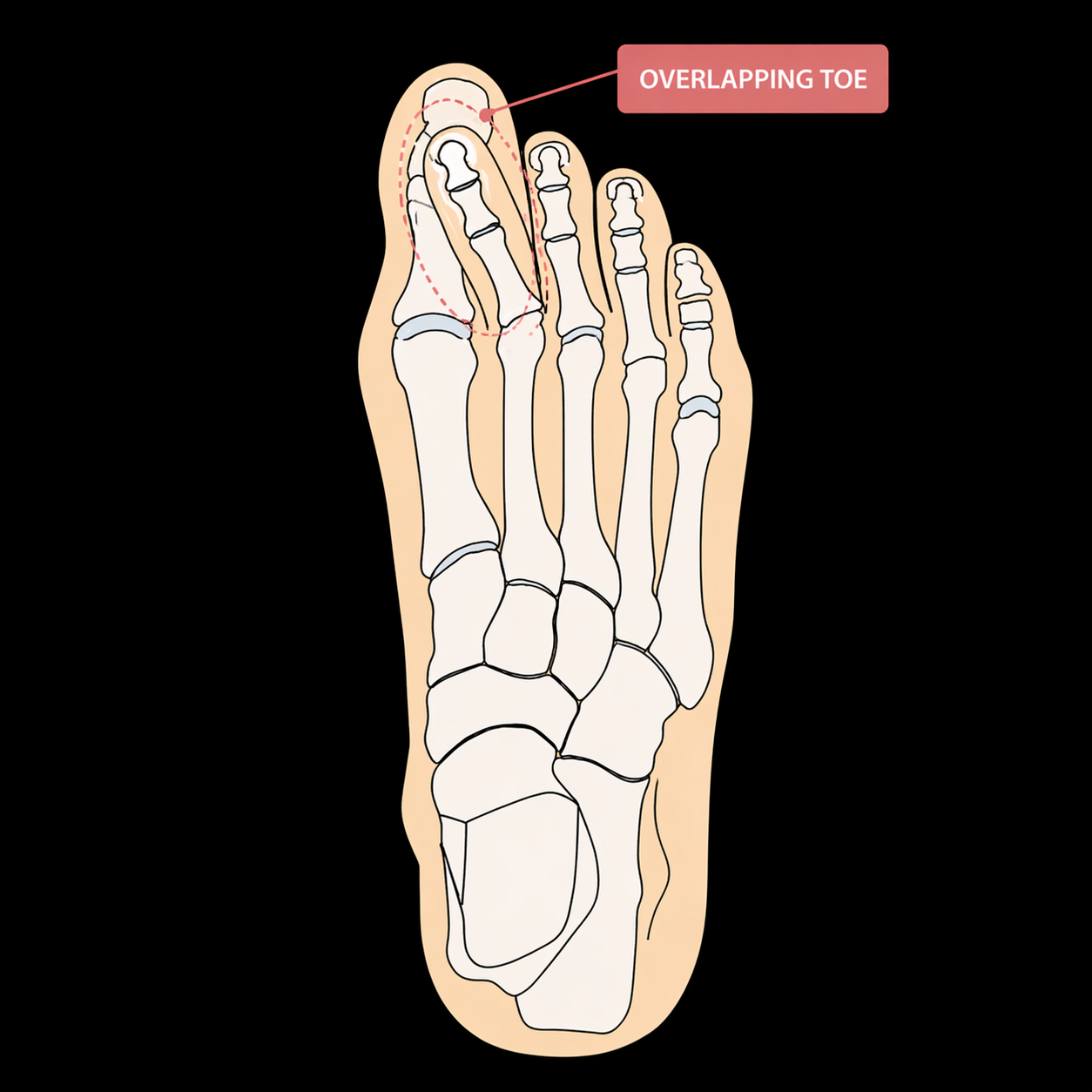
Lesser toes refer to digits two to five on the foot. Changes affecting these toes can lead to discomfort, pain, difficulty fitting into footwear, nail damage, excessive callous formation, and in more severe cases, wounds or ulcerations.
These changes affect the structure and alignment of the toe joints and may gradually progress over time.
Lesser Toe Changes: Treatment, Symptoms and Causes - Sydney
What Are Lesser Toe Changes?
Lesser toes refer to digits two to five on the foot. Changes affecting these toes can lead to discomfort, pain, difficulty fitting into footwear, nail damage, excessive callous formation, and in more severe cases, wounds or ulcerations.
These changes affect the structure and alignment of the toe joints and may gradually progress over time.
Symptoms
Lesser toe changes may present with:
- Discomfort or pain in toes two to five
- Difficulty fitting comfortably into shoes
- Nail damage
- Excessive callous or corn formation
- In more severe cases, wounds or ulcerations
The level of discomfort can vary depending on the type and severity of the changes.
Causes
Each lesser toe consists of four joints connecting four small bones. These joints are supported by surrounding tissues including muscles, tendons, blood vessels and nerves.
Within these joints, three main types of changes may occur:
Mallet toe: The joint closest to the nail (DIP) bends downward.
Hammer toe: The middle joint (PIP) bends downward, often with the base joint lifting upward.
Claw toe: The base joint (MTP) lifts upward while both the middle (PIP) and tip (DIP) joints bend downward, creating a claw-like appearance.
Contributing factors may include:
- Imbalances between intrinsic and extrinsic foot muscles
- Inappropriate footwear, particularly shoes that are too short or narrow
- Underlying conditions such as diabetes, neuropathy or rheumatological disorders
- Genetics and foot posture
Diagnosis
Diagnosis of lesser toe changes involves a combination of reported symptoms and clinical examination performed by a podiatrist.
Assessment may include:
- Palpation of the affected area
- Evaluation of joint mobility
- Analysis of walking or running patterns
At Sports Podiatry Manly, our specialised equipment, including the pressure plate treadmill (Zebris), allows for a comprehensive assessment of plantar pressures within your feet. Additionally, if deemed necessary and in severe cases, your podiatrist may recommend radiographic or ultrasound imaging to best tailor your management plan.
Treatment
Lesser toe changes that are rigid and primarily of bone origin tend to be permanent. Flexible changes that are more related to muscle imbalance may or may not be permanent.
Management and treatment duration vary depending on individual circumstances. Conservative care involves ongoing monitoring and symptomatic relief. Conservative approaches may include:
- Footwear adjustments
- Custom orthotics
- Off-loading techniques such as gel sleeves or Otoform devices
- Semi-compressive felt padding or taping for flexible changes
- General podiatry care to maintain skin integrity, reduce excessive callous or corn formation and minimise nail changes
If conservative management is inadequate, surgical intervention may be considered in some cases.
Post-operative care may include specific foot and calf exercises, footwear adjustments, custom orthotics and general skin and nail podiatry care.
For individuals seeking assessment and management of lesser toe changes Sydney, Sports Podiatry Manly provides thorough clinical evaluation and tailored treatment planning.
Lesser toe changes can affect comfort, footwear fit and overall foot health. Early assessment allows appropriate management strategies to be implemented based on the type and severity of the changes.
At Sports Podiatry Manly in Sydney, our podiatrists provide structured assessment and individualised management plans for lesser toe changes.

Manly NSW 2095, Australia
*ENTRY via Whistler St*